Toronto’s “pay what you can” grocery store is the talk of the city
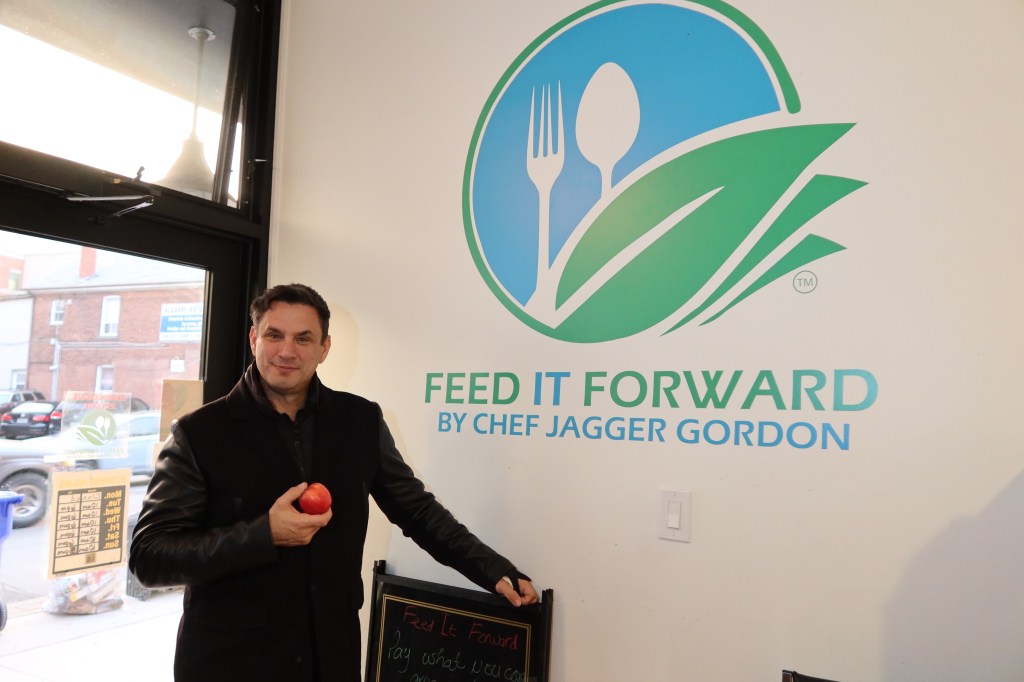
Chef Jagger Gordon at his Feed It Forward Dundas West location in Toronto
A Toronto chef offers healthy meals to people who can’t afford to buy food and it’s a pay what you can system as well. As an executive chef of his own catering company, he learned how much food goes to waste. He didn’t think it was right, so he began giving left over food to people on the streets. That’s where the idea sparked that this was a bigger issue.
“I realized how many hungry people are out there as I was feeding. And what I wanted to create is a program where it allows people to obtain the food that was destined for landfills and give it back to them,” said Gordon.
His name is Jagger Gordon and he’s the founder of Feed It Forward, a non-profit organization that offers meals to people that are hungry and don’t have enough money to buy food. Feed It forward is a pay what you can grocery store, bakery and coffee shop. All their food comes from donations or have been harvested at their Whitby, Ontario farm.
Gordon has two other locations, one at 3324 Dundas West and the other, recently opened, SoupBar at Humber College North Campus. They also have twenty-two hundred people involved with Feed It Forward.
Toni Zambri has been a volunteer with Feed it Forward since 2017 and she helps manage Humber College’s North Campus SoupBar location. She says what keeps her motivated is seeing people walk away happy and fed.
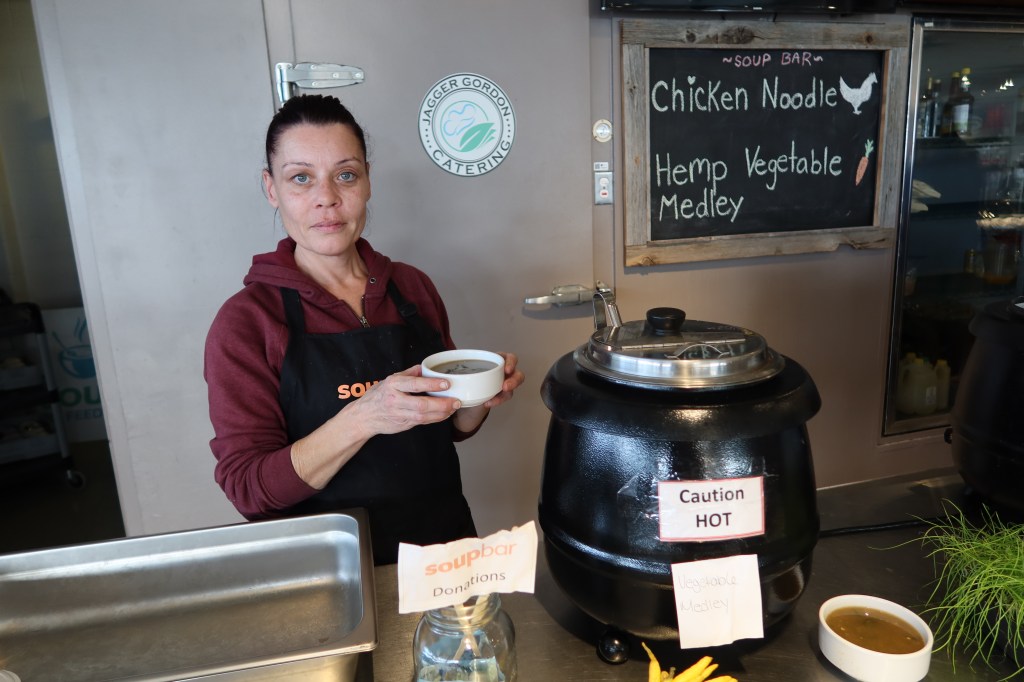
“I use to work down on Bay Street and there was this young girl pregnant and on the street begging for money, since then, it’s something I wanted to reach out someway somehow,” says Zambri
Feed It Forward’s mission is to repurpose unwanted food into healthy meals, such as a soup or stew for people to still eat and enjoy.
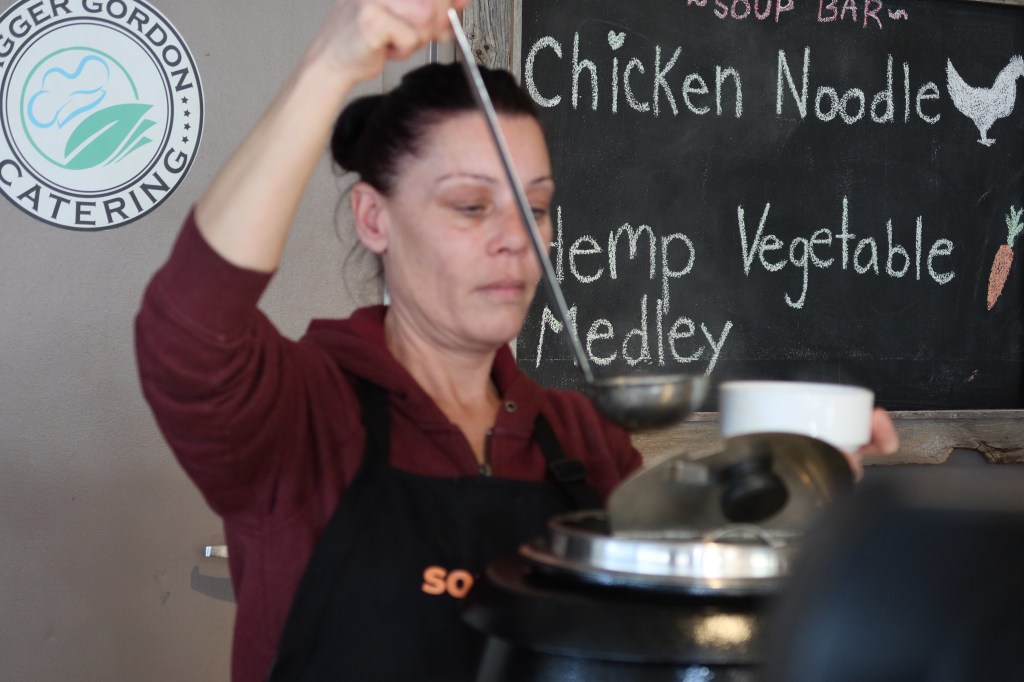
“We’re trying to educate as much as we possibly can. With food waste a lot of people don’t realize with a little blemish it’s perfectly edible,” says Zambri
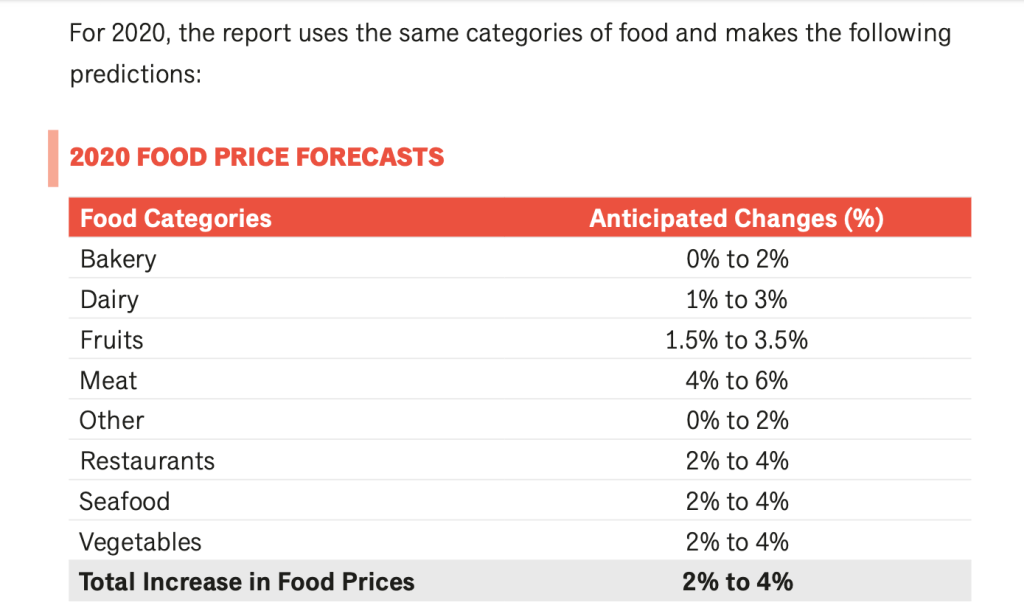
According to Canada’s Food Price Report, published by a team of researchers from Dalhousie University’s Agri-Food Analytics Lab and the University of Guelph says, they’re forecasting food prices will increase two to four precent in 2020.
It’s predicted that the average Canadian home’s annual grocery income is $12,667 and it’s likely going to spike nearly $500 more in the next year.
“Already one in eight Canadian households is food insecure and food affordability is a major issue for Canadians,” says Guelph Project Lead Simon Somogyi.
Canada’s Food Price Report of 2019 predicts vegetables will have a major increase and it has already gone up to 17% in the past year.
Although Canadians have been warned about the cost of food increasing, people can still take matters into their own hands and be creative looking for solutions.
“Families will need to reduce the amount of food waste they generate and learn how to repurpose food, says Sylvain Charlesbois, Director of Dal’s Agri-Food Analytics Lab.
Countries such as Italy and France already have a law in place that prevents food businesses from destroying food that they think isn’t appealing to eat anymore. The law’s guidelines force businesses to donate their unwanted food or pay a fine.
Gordon has created a petition online that has generated over 22,000 signatures to get the Federal Government’s attention to create regulations on food waste in Canada. His goal is to reach 25,000 signatures from Canadians to push this matter forward.
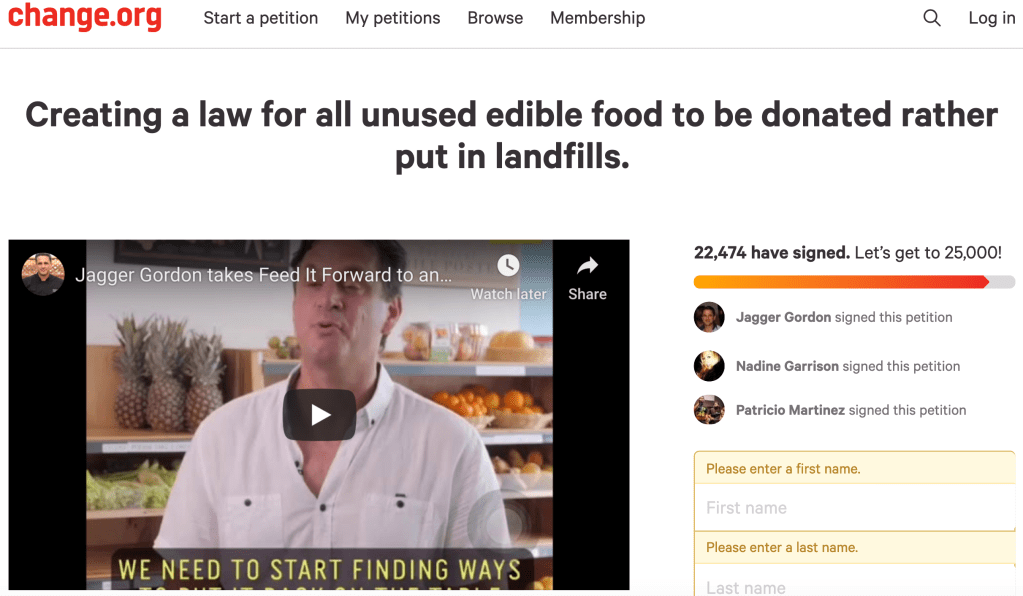
“I was asked how many signatures do I need – I only need one, my own; but I wanted to lead by community how many people want to have a voice,” says Gordon
Some local food businesses such as supermarkets and bakeries are supporting Gordon’s initiative to donate their unwanted food to Feed It Forward. Gordon hopes to have more businesses do their part and repurpose or donate food that they don’t want rather than throw it out.

“No matter what it looks like if it’s in good standing, we’ll take it and repurpose it. If we gotta cut out the blemish part and make an apple pie or apple sauce, we’ll do it,” says Jagger Gordon
Developing partnerships with other companies that believe in the program’s initiatives and help fund Feed It Forward are Gordon’s next steps. He hopes to continue to grow and expand feeding more Canadians that deal with food insecurities by offering healthy meals.
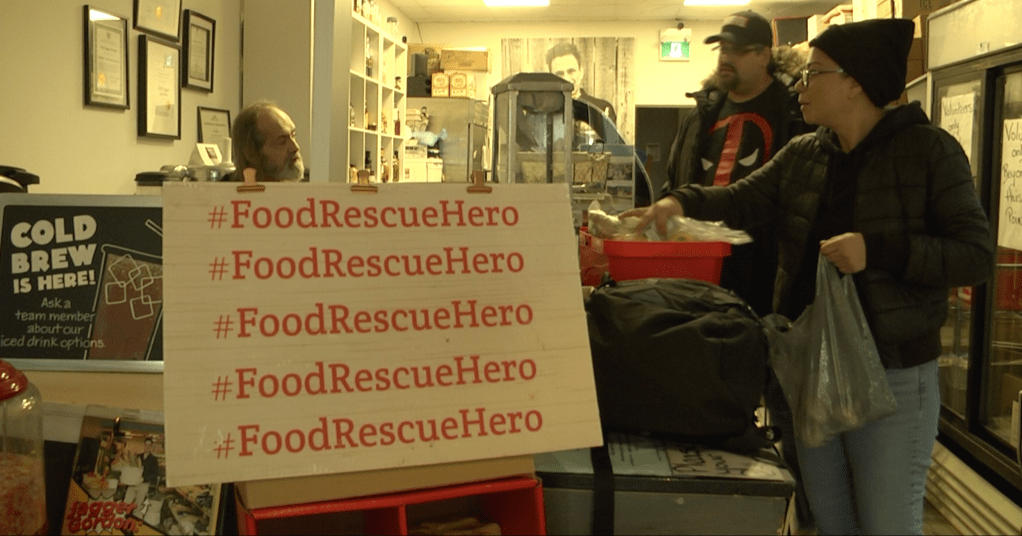
For more information on Feed It Forward visit their website: https://feeditforward.ca/











 Food Allergies